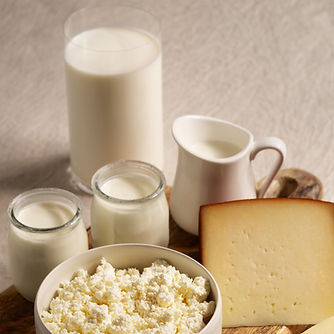
Buttermilk
Buttermilk, Buttermilch, Babeurre, Suero de leche, - , Takra (तक्र)

Buttermilk is a traditional dairy product originally created as a byproduct during butter churning. In early cultures, when cream was vigorously churned to make butter, the solid butter separated from the liquid, which was the natural buttermilk. While once primarily consumed on farms, industrial production now ferments skimmed or low-fat milk with specific bacterial cultures to produce buttermilk with its characteristic sour taste and creamy texture.
In folk medicine, buttermilk is considered nourishing, mildly sour, and easily digestible. It is valued for its probiotic content that supports gut health and digestion. Nutritionally, it contains mostly water, with small amounts of lactose, protein, and very low fat, and the fermentation process reduces lactose content, improving tolerance for lactose-sensitive individuals.
From an Ayurvedic perspective, fermented milk drinks like buttermilk are valued for their digestive and cooling properties. They balance Pitta dosha due to their sourness and promote digestive fire (agni). Buttermilk is considered a gentle, rejuvenating food supporting digestion and overall wellness.

Served warm and spiced with ginger and cumin, buttermilk pacifies Vata and supports digestive function without aggravating dryness.

Slightly cooling and soothing when consumed at room temperature and spiced mildly, it supports Pitta without increasing acidity.

Excellent for Kapha when warmed and infused with digestive spices like black pepper and trikatu; it lightens and removes excess mucus.

Akasha ֍ / Vayu ֍ / Tejas ֍֍֍ / Jala ֍֍ / Prithvi ֍
Rasa
sour (amla), sweet (madhura)
dry (ruksa), light (laghu)
Guna
Vipaka
sweet (madhura)
Virja
heating (ushna)
Dhatu
Rasa, Rakta, Mamsa

Loss of appetite, poor digestion, bloating, IBS, hemorrhoids, anemia

Avoid in excess during very hot summers or with hyperacidity; not recommended in cases of high Pitta without proper spices

Traditional Takra is made by mixing one part yogurt with two parts water and churning until well blended. Spices like roasted cumin, fresh ginger, rock salt, or ajwain can be added depending on doshic need.